Hello Readers!
Today, I am going to talk about horror movies.
It’s October, which means it’s finally time to break out the skeletons in your closet…And hang them up as decorations! With Halloween around the corner, I thought I would take a look into the horror movie genre to explore what scares us the most. Let’s go ahead and dive in, shall we?
Defining the Horror Genre
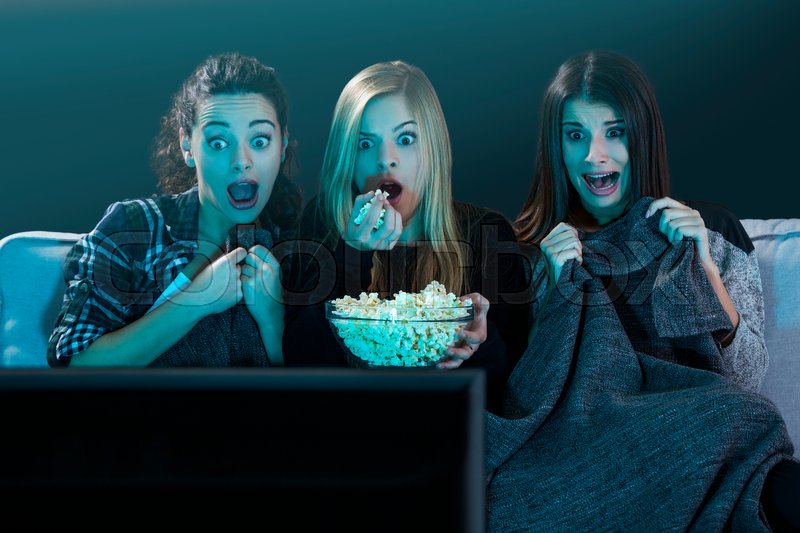
A horror movie is a film that seeks to evoke fear for the purpose of entertainment. They usually include gory, violent, and graphic images to produce fear and anxiety in the audience. The plots of these films usually revolve around creatures like ghosts, monsters, demons, and evil entities. They can also feature killers and psychopaths as the antagonist of the film. Horror films do more for us than just produce nightmare fuel. Horror movies bring society’s fears to light through cinematic storytelling.
The Beginning of the Horror in Cinema (1800-1900)
The horror movie genre is inspired by the “gothic horror” genre in literature. Authors such as Edgar Allan Poe and Bram Stoker created stories meant to terrify their readers. In cinema, the 3-minute short film titled, Le Manoir du Diable or “The Haunted Castle” (1896) is considered the first-ever horror film. In the early 1900s, German filmmakers advanced the genre even further. Some of the most notable being Paul Wegener’s The Golem (1915), and F.W. Murnau’s Nosferatu (1922). In America, Hollywood created a film adaptation of Mary Shelly’s Frakenstein. In Britain, Hammer Film Productions created their own adaptations of classics including Dracula and The Mummy. The horror films of this time featured resurrected and undead creatures. They were a reflection of people’s fear of death and resurrection before the discovery of modern medicine.
German Expressionism & Universal Classic Monsters (1920-30s)
Perhaps the most notable film in horror movie history is Robert Wiene’s “The Cabinet of Dr. Caligari” (1920). This film became a worldwide critical and commercial success. It also had a major influence on American horror films, introducing techniques such as the “twist ending” and the “unreliable narrator.” Another notable film in the German Expressionist movement is F. W. Murnau’s Nosferatu (1922). In 1930s America, Universal Pictures created more movies based on gothic novels. The films featured the most iconic monsters including Dracula, Frankenstein, The Mummy, The Invisible Man, and The Wolf Man. Each of these films would get sequels as well as crossover films. This became known as the Universal Classic Monsters series.
Pushing the Envelope (1950s-60s)
After the events of World War II, horror movies shifted from the Gothic to a more contemporary view. The root of fear for most people during this time was the fear of invasion and the atomic war. Some of the most notable films to come at this time were Creature from the Black Lagoon (1954) and The Blob (1958). Also, The War of the Worlds (1953) and I Married a Monster from Outerspace (1958). The 1960s sparked the beginning of the slasher/psycho sub-genre in horror. Notable film: Psycho (1960), Alfred Hitchcock.
Evil Children and the Slasher Sub-Genre (1970s-80s)
During this time, the horror movie genre changed once again. Horror movies began to explore children as a source of evil in horror movies. They suggested that children are capable of terrible things. Some films that explored this theme are The Omen (1976), Rosemary’s Baby, The Exorcist, and Poltergeist. Also during this time, the slasher sub-genre was born bringing a new element to the horror genre that would change the scope of it forever. Some notable slasher films of this time were The Texas Chainsaw Massacre (1974) and Halloween (1978).
The Age of “Torture Porn” and Horror Movie Renaissance (1990-2000s)
Many feel that the horror genre began to fade in the 1990s. Some filmmakers of the genre began making parody horror films such as “I Know What You Did Last Summer” (1997) that cashed in on the fatigue of horror movies that audiences were feeling. This time also marked the beginning of the “torture porn” sub-genre. Films such as the “Saw” franchise are the most notable of this sub-genre. Another notable film of this time is the critically successful movie “The Blair Witch Project” (1999) marking the beginning of the “found footage” sub-genre.

A New Day for Horror Films (2010-Present)
This is the time of remakes and sequels to classic horror films. Film such as “Carrie”, “Child’s Play”, “A Nightmare on Elm Street”, and “Poltergeist” were all remade in the late 2000s. In addition to remakes of classic horror movies, present-day horror films have begun to take a more contemporary approach to storytelling. The movie Get Out (2017) reflects life from the black man’s perspective and gives a terrifying look into the racism that still exists in modern society. Also, films like Bird Box (2018) and A Quiet Place (2018) reflect the modern terrors of motherhood and family life.
This history of horror films is a history of fear reflected in cinema.
The fears of people in each decade can be seen in the most popular films of the time. So if you’ve ever wondered what people were afraid of in the past, look to the most popular horror films. If you enjoyed reading this, below is a video about the history or horror films.
Question: What is your favorite horror movie and why? Comment with your thoughts below!
Until next time,
Happy Viewing!
Sources: https://www.lightsfilmschool.com/blog/history-horror-movies-genre-agf
https://en.wikipedia.org/wiki/Horror_film

 Filmster Blog